

Lower Age -- 下元 末法
Viet: Đời Hạ Ngươn. Hạ is Lower, and Ngươn or Nguyên, Đời, means Age, Era, Period. This is an Buddhist lexicon which means the Degenerate Era during which Buddha’s dharma loses all its power and, though many have learnt it, very few of them understand and practice it.
According to the Potato Peddling Monk (Sư Vải Bán Khoai), the Year of the Wood Rat (Giáp Tý) or the coming year of 1864 starts the Dharma Closing Lower Age : The Lower Age starts with the Year of the Wood Rat, No place over the world will be left in peace. Or the Wood Rat of the Lower Age starts nowadays, the Heavenly Engine will set up the Upper Age. Or
The Wood Rat brings a lot of misery,
No peace reigns on the world daily.
(Sermons by the Potato Peddling Monk of the Seven Mountains, p. 6)
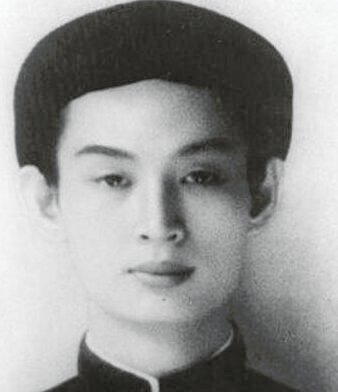
Sư Vải Bán Khoai is deemed one of the precursors to the Master Huynh Phu So, the founder of Hoa Hao Buddhism. Research on Sư Vải Bán Khoai (in Vietnamese) In the ‘Awakening Stanzas’ (Giác Mê Tâm Kệ), Lord Master has predicted the aweful frightening disasters which all the sentient beings must go through in the Lower Age:
Today’s sufferings are not so multiple,
Tomorrow’s ones are feared much more terrible.
Evildoers will be eradicated, the good salvaged,
Bone mountains and blood rivers are horrible.
In the Mission Statement, Lord Master said: “The Heavenly Reporter concluded, the sentient beings over this world in this Lower Age who are materialistic, and drowned in wealth and fame, have created their bad karma…” Thus there are a lot of Holy Spirits who will have descended to admonish the masses but hide themselves in waiting for their time,
“Mad and Crazy endure silently and wait,
Disguised to lead the livings of the Lower Age. “
(Awakening, Vol IV p. 637 )
“The world is to end at the Lower Age ,
The upheaval disrupts all family bases.”
(The Oracles Vol. P 1 & 2)
From another source, the Dharma has four periods, that consists of:
1.-Authentic Dharma,
2.-Analytical Dharma,
3.-Simulated Dharma, and
4.-Closing Dharma
After the Shakyamuni Buddha entered nirvana, the Authentic Dharma period that followed this event lasted 500 years is called the Authentic Dharma, after which the two following periods, Analytical and Simulated, last 500 years, and the last period is the closing Dharma period which endures for 10,000 years. As this Age is characterized by the lower moral expectations which most sentient beings have about themselves and others, therefore, it is called Lower Age, or the Age that marks the world going to end, before the cycle restarts with the returning of the Upper Age.
Based on the sixth volume of Mahayana (Great Vehicle School), Buddhism which reached the Lower Age period, the Dharma better spreads over the world and, even though many people enter the religion, they do not become Buddhas, therefore it is called the Dharma Closing Age.
The Fifth Patriarch Heng Ren who used his mind to mind communication method to appoint Hui Neng as the Sixth Patriarch, his heir, said: “The Cloak and the Bowl now are passed to you for this age, and it will not be useful to pass them on again. This period is called the Closing Dharma one, though people who listen to the Dharma are many, the real practisers are as rare as hen’s teeth.”
The Great Nirvana Sutra, Vol 7, said: “Buddha told Ga Ye (Vi: Ca Diếp): 700 years after I entered Nirvana, the Po Xún Demon (Vi: Quỷ Ba Tuần; Chi: 魔波旬; Pali: Māra–pāpman) will gradually confound my authentic Dharma. For example, if the hunter wears the Dharma cloak, the Po Xun Demon will do the same, feigning Bikkhu or Bikkhuni, or lay male or female Practitioners. They also pretend as the Stream-Entrant, and A Luo Han. The Demon borrowed the unwholesome figures to make itself wholesome figures, to corrupt my authentic Dharma.”
Source: xuefonet Extract – Closing Dharma Period.
Three Ages of Buddhism
The Three Ages of Buddhism are three divisions of time following Buddha’s passing:
1.-Former Day of the Law—also known as the Age of the Right Dharma (Chinese: 正法; pinyin: Zhèng Fǎ; Jp: shōbō), the first thousand years during which the Buddha’s disciples are able to uphold the Buddha’s teachings;
2.-Middle Day of the Law—also known as the Age of Semblance Dharma (Chinese: 像法; pinyin: Xiàng Fǎ; Jp: zōhō), the second thousand years, which only resembles the right Dharma;
3.- Latter Days of the Dharma—also known as the Degenerate Age (Chinese: 末法; pinyin: Mò Fǎ; mòfǎ; Jp: mappō), which is to last for 10,000 years during which the Dharma declines. In the Mahasamnipata Sutra, the three periods are further divided into five five-hundred year periods (五五百歳 Cn: wǔ wǔ bǎi sùi; Jp: go no gohyaku sai), the fifth and last of which was prophesied to be when the Buddhism of Gautama Buddha would lose all power of salvation and a new Buddha would appear to save the people. This time period would be characterized by unrest, strife, famine, and natural disasters.[6] The three periods are significant to Mahayana adherents, particularly those who hold the Lotus Sutra in high regard, namely the Tiantai and Tendai and Nichiren Buddhism, who believe that different Buddhist teachings are valid (i.e., able to lead practitioners to enlightenment) in each period due to the different capacity to accept a teaching (機根 Cn: jīgēn; Jp: Nikon) of the people born in each respective period.
Hạ Ngươn Mạt Pháp
Nguơn cuối cùng. Căn cứ vào luật tuần hoàn của lý Tam Nguơn được phân định và diễn tiến như sau:
1. Thượng Nguơn: gồm có Thượng Nguơn Thượng,
Thượng Nguơn Trung, Thượng Nguơn Hạ.
2. Trung Nguơn: gồm có Trung Nguơn Thượng, Trung Nguơn Trung, Trung Nguơn hạ.
3. Hạ Nguơn: gồm có Hạ Nguơn Thượng, Hạ nguơn trung, Hạ Nguơn Hạ.
Cứ thế mà luân chuyển mãi, hễ hết Hạ Nguơn Hạ thì chuyển sang Thượng Nguơn Thượng, Thượng Nguơn Trung dần dần xuống…
Hiện nay, nhằm vào Hạ Nguơn Hạ, sau đó sẽ chuyển sang Thượng Nguơn Thượng như bắt một đầu chu kỳ mới.
Trong Giảng Ông Sư Vãi Bán Khoai có nói:
“Hạ nguơn nay đã hết đời,
Minh Hoàng cầu Phật lập đời Thượng Nguơn”.
Đức Thầy cũng bảo trong bài Để Chơn Đất Bắc.
“Việc đời nhiều nỗi sầu bi,
Hạ Nguơn đã hết loạn ly cơ đồ.”
Trong quyển Giác Mê Tâm Kệ, Đức Giáo-Chủ có nói trước những tai-họa hãi-hùng mà chúng sanh sẽ phải trải qua trong thời Hạ-nguơn mạt kiếp:
“Khổ với thảm ngày nay có mấy,
Sợ mai sau dòm thấy bay hồn.
Trừ tà gian còn thiện chỉ tồn,
Cảnh sông máu núi xương tha thiết.”
Khùng-Điên ẩn-nhẫn tùy thời,
Có-cơn giả dạng dắt đời hạ-nguơn.
(Giác Mê Tâm Kệ p. 637)
“Hạ-nguơn nay đã hết đời,
Phong ba biến chuyển đổi dời gia cang.”
(Hai câu đầu của Sám Giảng Quyển I)
“Hạ Ngươn sanh chúng ám u,
Tây Phương Sắc Lịnh vân du Nam Kỳ”.
(Dặn Dò Bổn Đạo)
Hạ-nguơn lao khổ lắm ôi!
Tu sau mới được qua đồi chông gai.
(Vọng Bắc Hòa Nam)
Hạ-nguơn lòng dạ đổi dời,
Bây giờ khổ-não đến đời là đây.
(Từ câu 473 của Sám Giảng Quyển III)
Đời Hạ-Nguơn hay chết tuổi xanh,
Như thuở trước Nhan-Hồi còn trẻ.
(Giác Mê Tâm Kệ p. 830)
Muôn thu thiên định nhứt kỳ,
Hạ-nguơn sắc-lịnh khai kỳ Long-hoa.
Rán vẹt phá sương mù trước mắt,
Chớ để cho quỉ dắt linh hồn.
Lão đây vưng lịnh Phật-tôn,
Lãnh cân thưởng phạt chư môn dữ lành.
(Thiên Lý Ca)
Khùng-Điên ẩn-nhẫn tùy thời,
Có-cơn giả dạng dắt đời Hạ-nguơn.
(Để Chơn Đất Bắc)
Việc đời nhiều nỗi sầu-bi,
Hạ-nguơn đã hết loạn-ly cơ đồ.
Bây giờ còn hỡi mờ-hồ,
Chẳng nghe dạy chỉ cơ-đồ về sau.
(Để Chơn Đất Bắc)
Note in English