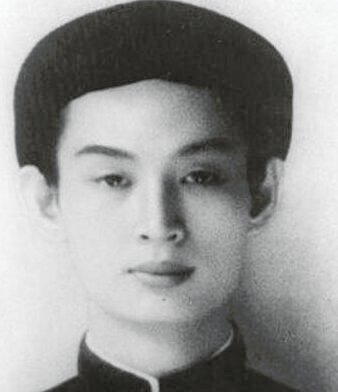
The body is the physical form of a human being (Sanskrit: Kâya). The four elements (Sanskrit: Mahabhutas) mean the four major elements in the world: Earth, Water, Fire, and Wind. These four elements temporarily combine to form the body of humans and all things, hence the name “body of the four elements.” Because in the physical body of each living being, solid substances such as bones and flesh belong to the earth, liquid substances belong to the water, warmth belongs to the fire, and breath belongs to the wind. When death occurs, the body disintegrates and returns to these four elements. Therefore, the body of the four elements is also called a temporary, illusory body without lasting substance. In the Forty-Two Chapters Sutra, the Buddha taught: “Remember that our body is composed of four major elements, each with its own name; none of them is the true self. Since the true self does not exist, our physical body is merely an illusion!” The Master also said: “… As for our human body, it is composed of the four elements (earth, water, fire, and wind), and how can it be permanent and avoid the day of its disintegration?” (Initial Explanation of the Four Noble Truths).
The Sutra of Forty-two Chapters (also called the Sutra of Forty-two Sections, Chinese: 四十二章經) is often regarded as the first Indian Buddhist sutra translated into Chinese. However, this collection of aphorisms may have appeared some time after the first attested translations, and may even have been compiled in Central Asia or China.[1] According to tradition, it was translated by two Yuezhi monks, Kasyapa Matanga (迦葉摩騰) and Dharmaratna (竺法蘭), in 67 CE. Because of its association with the entrance of Buddhism to China, it is accorded a very significant status in East Asia.[2] The Tibetan translation (Toh. 359a) is known as the The Dhāraṇī of a Hundred Thousand Ornaments of the Seat of Enlightenment (Tib. dum bu zhe gnyis pa’i mdo; Skt. Bodhimaṇḍasyālaṃkāralakṣadhāraṇī).[3] Wikipedia
« Back to Glossary Index