phép huệ-linh
Phép huệ linh khác với phép linh ở chỗ phép huệ linh là phép linh dựa trên trí tuệ mà có được và mục đích là giúp đời trợ đạo chứ không có mục đích tạo thêm nghiệp chướng bằng cách dựa vào tà thần hay mưu mô xảo trá: Các Đạo tà mưu khéo...
philosophy of Confucius
According to the motto "Study Buddhism and Cultivate Humanity", Hoa Hao Buddhism believes that humans can surpass ordinary people (super people) are called Buddha Saints. Therefore, the Master advises everyone to follow the example of conduct and words of the ancient Sages like Confucius and Mencius to live and behave according to the Tao of...
Phong-trần
Phong là gió; trần là bụi, ý chỉ cõi đời đầy gió bụi, gian lao vất vả. Truyện Kiều có câu:“ Đã đày vào kiếp phong trần”. Cung Oán cũng nói:“Phong trần đến cả sơn khê, Tang thương đến cả hoa kia cỏ nầy”. Đức Thầy nay từng giác tỉnh: “Gây ra lắm nợ phong...
Phù-Tang
Phù Tang” là một tên gọi truyền thống, mang tính biểu tượng, dùng để chỉ Nhật Bản trong văn hóa Việt Nam, đồng thời cũng xuất hiện trong thần thoại Trung Hoa như một cây thiêng hoặc vùng đất bí ẩn ở phương Đông.
phường bội cha
Bọn phản cha phản chúa, phụ nghĩa quốc dân, đây chỉ cho vua Trụ, không nhớ lời giáo huấn của các Tiên đế, đắm say tửu sắc làm cho cơ nghiệp của Tổ tiên đã dày công xây dựng trên 600 năm phải tiêu tan theo mây khói còn để tiếng lại đời sau chán...
Phương Tây
Có nghĩa là Tây Phương, thế giới thanh tịnh và trang nghiêm mà các vị Phật Tiên được xem là nơi sinh hoạt. Đó cũng là nơi xuất phát của các vị đại giác tu luyện cho rốt ráo, được ấn chứng xuống thế gian cứu đời. "Điên đây vưng lịnh Phương Tây,Hầu hạ bên...
physicality
At that time, many believed that there was no longer any hope or belief in using moral values to negotiate and maintain peace; instead, they thought that materialism was paramount, and only the power of the physical body could dispel social injustices, thus completely disregarding reincarnation and karmic retribution. They did not realize that the...
picturesque castles
The term is an analogy to the cloud accumulations in the high regions of the mountains which the author sometimes refers to cloud towers or spires, and where the hermits enjoy a serene and tranquil landscape.
pine tree
Bá tòng is the Chinese banyan and pine trees, often planted as ornamental plants. Bá tòng is cherished by people because it remains verdantly green throughout all four seasons, especially in winter when all other trees wither, yet it alone stands upright. Therefore, the book Ích Trí compares a gentleman to bá tòng with the...
Polaris Star
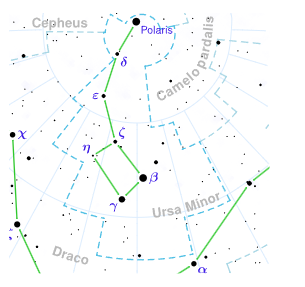
At that time, the reason why Tử Vi appeared in the sky and shone brightly was to signal that the dark times were about to end, and the Sacred Monarch would emerge to establish a new life. During this period of change, humanity had to endure sorrow and mourning together, which made the Master’s heart...