


nhơn-ngã
Trong bối cảnh Phật giáo, “ngã chấp” (Skt. ātma-grāha) là sự chấp vào việc có một cái tôi cố định, thật và không thay đổi. Nó không phải là sự tự tin thường thấy hay là cảm giác tự thân bình thường, mà là một ảo giác xuất phát từ vô minh (ngu dốt), sâu...
nhơn-quả
Ý nói sự báo ứng của luật nhân quả rất nghiêm minh và cao xa. Nghĩa là, dầu cho đến bậc Vua quan như Lương Võ Đế, cũng không thoát khỏi. Và xa bao thời gian kiếp số cũng vẫn báo đền.
nhơn quả
Cũng gọi là Nhân quả. Nhân là nguyên nhân, là hột giống. Quả là sự kết quả, hay trái bông. Đây là luật quả báo, LUẬT NHƠN QUẢ THẬT LÀ CAO VIỄN: Ý nói sự báo ứng của luật nhân quả rất nghiêm minh và cao xa. Nghĩa là, dầu cho đến bậc Vua quan...
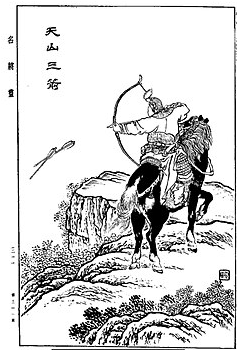
Nhơn-Quí
Là Tiết Nhơn Quý, có tên là Tiết Lễ, sanh vào đời Đường, người ở Thái Bình Trang, huyện Long Môn, tỉnh Sơn Tây (Trung Hoa). Thân phụ là Tiết Anh, thân mẫu là Phàn Thị, gia thế giàu có, cha làm Viên ngoại trong vùng, song thân đều mất sớm. Nhơn Quý có chí...
Như-Lai
Chân Như (zh. 真如, sa., pi. tathatā, bhūtatathatā) là một khái niệm quan trọng của Đại thừa Phật giáo, chỉ thể tính tuyệt đối cuối cùng của vạn sự. Chân như chỉ thể tính ổn định, thường hằng, nằm ngoài mọi lý luận nhận thức. Chân như nhằm chỉ cái ngược lại của thế giới hiện tượng thuộc thân thuộc tâm. Tri kiến được Chân như tức là Giác ngộ, vượt...
Nie Lian Chuan
Also written as Nairânjânâ (Sanskrit: Nairânjânâ), translated in Chinese as "The River Untainted by Sensual Pleasures," meaning: a river untouched by sensual pleasures. Originally, it was a river located near Elephant Head Mountain, in the village of Uruvilva, in Magadha (India). Before meditating under the Bodhi tree, the Buddha went down to the Nairânjânâ stream...
Nine-Echelons
Also called "nine levels," it means "nine tiers," which are nine steps (staircases) leading up to the throne. It refers to the throne or the king. For example: "Reporting through nine platforms"; "On nine platforms, the sun is just a hair's breadth away." (Ancient poem)
Nine Waterfalls
The term Nine Waterfalls mean the passing of a person whose status and seniority are quite high in society/family. This figurative methods of addressing allows for a smoother and less stressful communication between the dead's relative and friends and strangers.

Núi Tà Lơn
Núi Tà Lơn, địa danh tiếng Việt này thuộc nước Kampuchea, Bokor, cách thành phố Kampot 10 cây số về phía Tây Nam, được coi là “Thánh địa của bậc tu hành”. Trong các thư tịch, kinh sách ghi chép Phật thầy Tây An Đoàn Minh Huyên, Huỳnh Phú Sổ, Bổn sư núi Tượng Ngô...
Bokor
Núi Tà Lơn, địa danh tiếng Việt này thuộc nước Kampuchea, Bokor, cách thành phố Kampot 10 cây số về phía Tây Nam, được coi là “Thánh địa của bậc tu hành”. Trong các thư tịch, kinh sách ghi chép Phật thầy Tây An Đoàn Minh Huyên, Huỳnh Phú Sổ, Bổn sư núi Tượng Ngô...