Hồng-Ngự
Tên một quận trong tỉnh Kiến Phong, gồm có 14 xã, trước năm 1956 thuộc tỉnh Châu Đốc.
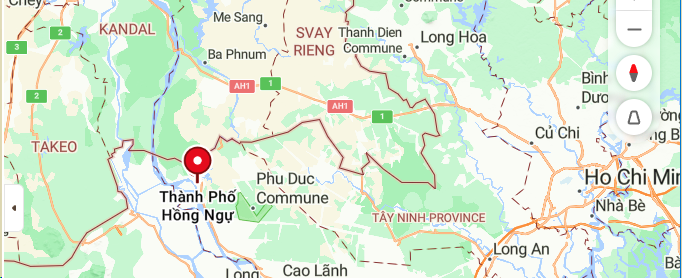
Hong Ngu
Hồng Ngự is a provincial city (thành phố) in Đồng Tháp Province in the Mekong Delta region of Vietnam. It was separated from Hồng Ngự District in 2008.[1] The city is subdivided into 5 wards: An Bình A, An Bình B, An Lạc, An Lộc and An Thạnh, and 2 communes: Tân Hội, Bình Thạnh. Geography Hồng Ngự city has its borders with Cambodia; bordered with Pray...
horoscope
A horoscope is a specific astrological chart created for an individual, usually based on their date, time, and place of birth, providing predictions or insights. According to physiognomy, Polaris is a major star in fortune-telling. According to Chinese astronomical texts, Tử Vi is the star of the wise ruler (Polaris). This represents the star of...
Ming Dynasty
The Jiajing Emperor (16 September 1507 – 23 January 1567), personal name Zhu Houcong,[d][e] was the 12th emperor of the Ming dynasty, reigning from 1521 to 1567. He succeeded his cousin, the Zhengde Emperor. The Jiajing Emperor was born as a cousin of the reigning Zhengde Emperor, so his accession to the throne was unexpected, but the government chose him as the new ruler after the...
Huệ-Lựu
HUỆ LỰU: Cũng gọi là Huệ Lưu. Huệ là minh mẫn sáng suốt. Lưu (Lựu) là trôi chảy, ý nói ngôn từpháp giáo tuôn ra như dòng nước chảy thấm mát tâm hồn của vạn loại chúng sanh. Vậy Huệ Lựu làngười có Trí Huệ sáng mầu thông suốt tất cả sự vật trong vũ...
Hue Luu
HUỆ LỰU: Also called Huệ Lưu. Huệ means clarity and insight. Lưu (Lựu) means flowing, implying that the words of the Dharma flow like water, cooling the souls of all beings. Therefore, Huệ Lựu is a person with enlightened wisdom, understanding all things in the universe, comprehending both matters and principles, both worldly and transcendent...
Human Way
The moral principles of humanity and the logic of human ethics, that is, the way of being human, include the "Five Relationships, Five Virtues, and Three Obediences, Four Virtues." Living according to these principles means fulfilling the duties of being human. Mencius said: "Internally, there is the father-son relationship; externally, there is the ruler-subject relationship;...
Humbly addressing Laity and Paradise
This refers to the discussion of worldly affairs and the moral conduct of enlightened beings, to clearly distinguish between what is noble and righteous and what is base and sinful. The Master once said in Visiting the Phu An Village "Determined to seek the realm of purity, Avoiding the mundane world to study the path...
Hữu phần
HỮU PHẦN: Có phần, được phần may mắn.HỮU DUYÊN: Có căn duyên (tiền duyên), trái với vô duyên. Gặp gỡ nhau mà hợp ý với nhau gọilà có tiền duyên. Tục ngữ thường nói:“Hữu duyên thiên lý năng tương ngộ, vô duyên đối diện bấttương phùng”(Có duyên ngàn dặm cũng gần, Không duyên dầu gặp...
huyền-bí nơi cơ
HUYỀN BÍ: Sự mầu nhiệm bí ẩn, sâu kín Đức Thầy khuyên bá tánh, ai muốn gặp nơi an lành cao quí, hãy mau nghiên cứu suy tầmnhững lẽ mầu nhiệm trong Sấm Kinh của Ngài đã dạy. Vì trong ấy có hàm chứa luật cơ mầu biếnchuyển của trời đất và yếu pháp tu...