luring form
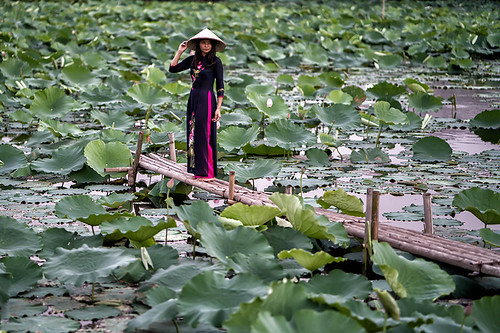
Simply put, luring form is beauty itself as the most obvious example. One of the four walls (Alcohol, Beauty, Gambling and Opium Addiction), also one of the six desires (six objects of the human senses: beauty, sound, fragrance, taste, body comfort, and riches). How many people have become tainted because of their infatuation with beauty?...
Ly Phu blamed Trong Ngu
According to the book "Ba Gia Chu Tu", in the past there were two close friends, Ly Phu and Trong Ngu, both families were well off and lived close to each other. Ly Phu had a charitable heart and often helped the disabled and poor, so he won the sympathy of many people. Trong Ngu,...
Ma-Ha
MA HA: Phiên âm của Phạn ngữ (Scr.) Mahâ, dịch nghĩa là rộng lớn. Sự rộng lớn ấy ví như hư không, không bờ bến, nó vẫn rỗng thông sáng tỏ, đồng với bản thể của đạo tâm. Cho nên khi nói đến Ma Ha tức là nói đến Đại Đạo. Vậy Đức Thầy dạy...
M.H.
MA HA: Phiên âm của Phạn ngữ (Scr.) Mahâ, dịch nghĩa là rộng lớn. Sự rộng lớn ấy ví như hư không, không bờ bến, nó vẫn rỗng thông sáng tỏ, đồng với bản thể của đạo tâm. Cho nên khi nói đến Ma Ha tức là nói đến Đại Đạo. Vậy Đức Thầy dạy...
Ma-Vương
Biểu tượng của cái ác và được xem như thế lực đối nghịch với cái thiện mà Đức Phật Thích Mâu Ni đã thể hiện ở đinh cao nhất khi biến cố thành đạo của Ngài đã được xem như cột mốc của một kỷ nguyên mới khi cái Thiện sau cùng thắng cái Tà....
Mặc-Dưng
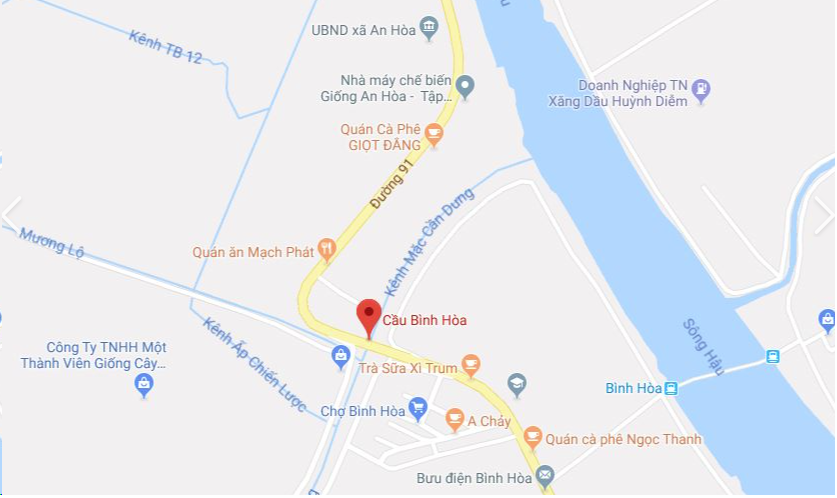
Là rạch Mặc Cần Dưng, thuộc xã Bình Hòa, quận Châu Thành, Long Xuyên (An Giang).
Mac Dzung
It is the Mặc Cần Dưng canal, located in Binh Hoa commune, Chau Thanh district, Long Xuyen (An Giang).
Mad and Crazy
The person who are not restrained by reason nor judgement, very angry, mentally ill. However, if someone calls themselves Mad or Crazy, they may not be so, as they pretend to be so, and they do so for a certain purpose, such as avoiding the attention of others who may harm them if they find...
Crazy
The person who are not restrained by reason nor judgement, very angry, mentally ill. However, if someone calls themselves Mad or Crazy, they may not be so, as they pretend to be so, and they do so for a certain purpose, such as avoiding the attention of others who may harm them if they find...
Mắm
Mắm là con cá được muối và nhận hủ để lâu ngày cho thắm vào thân cá, đến khi thịt cá có màu đỏ thắm mới đem ra dùng. Ở miền Tây món mắm rất nổi tiếng, và số lượng cá bắt được trong năm rất nhiều không thể tiêu thụ hết tại địa phương,...